
7 hr
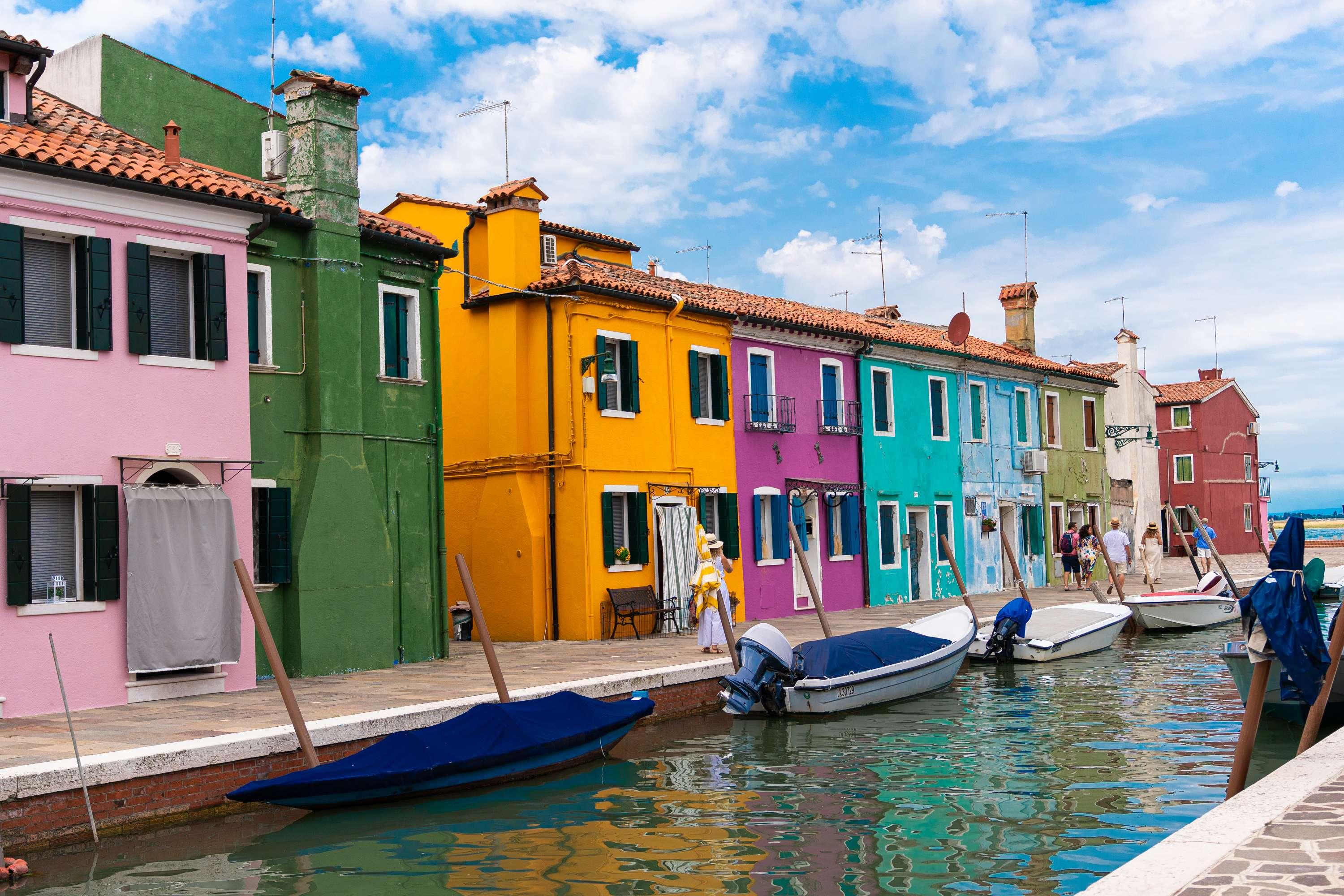
Murano & Burano Island Cruise with Glassblowing Demo
Discover two enchanting Venetian lagoon islands with guided boat transport and live glass artisan demonstration
Reserve
Hand-picked by our editors — only the best 5 experiences from 240 reviewed.
Verified partners for every tour, free cancellation where available, and instant confirmation on every booking.
7 hr
Discover two enchanting Venetian lagoon islands with guided boat transport and live glass artisan demonstration
Reserve
20 min
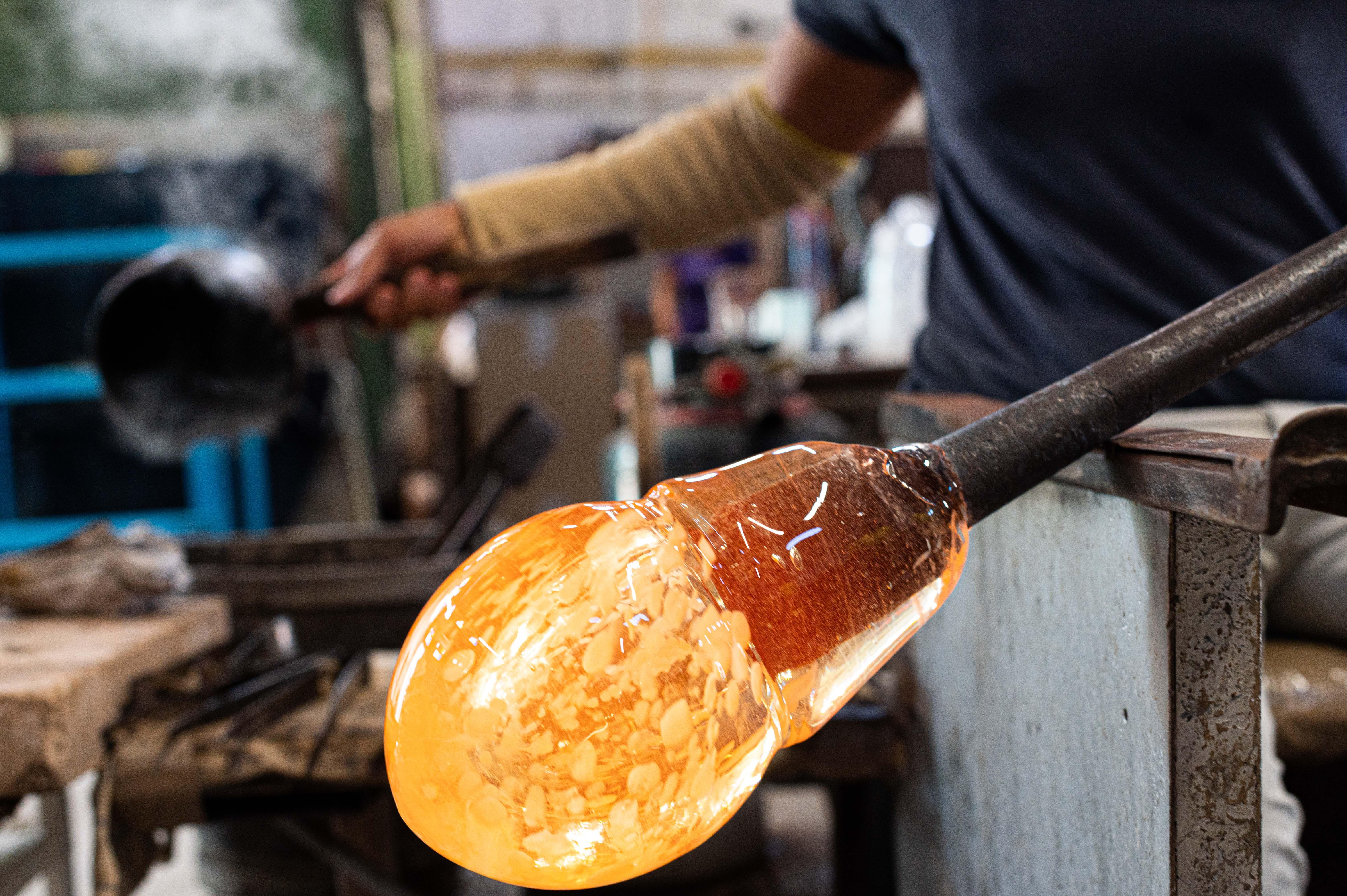
Watch master artisans craft molten glass into art during this intimate factory visit on Murano island
Reserve
15 min
Watch master artisans shape molten glass into sculptures and vessels at an authentic island workshop
ReservePrices from verified partners. Availability updates in real time at checkout. Free cancellation policies apply where shown.
The landmarks, rooms, and views travelers on this tour remember — all visible on a single visit.
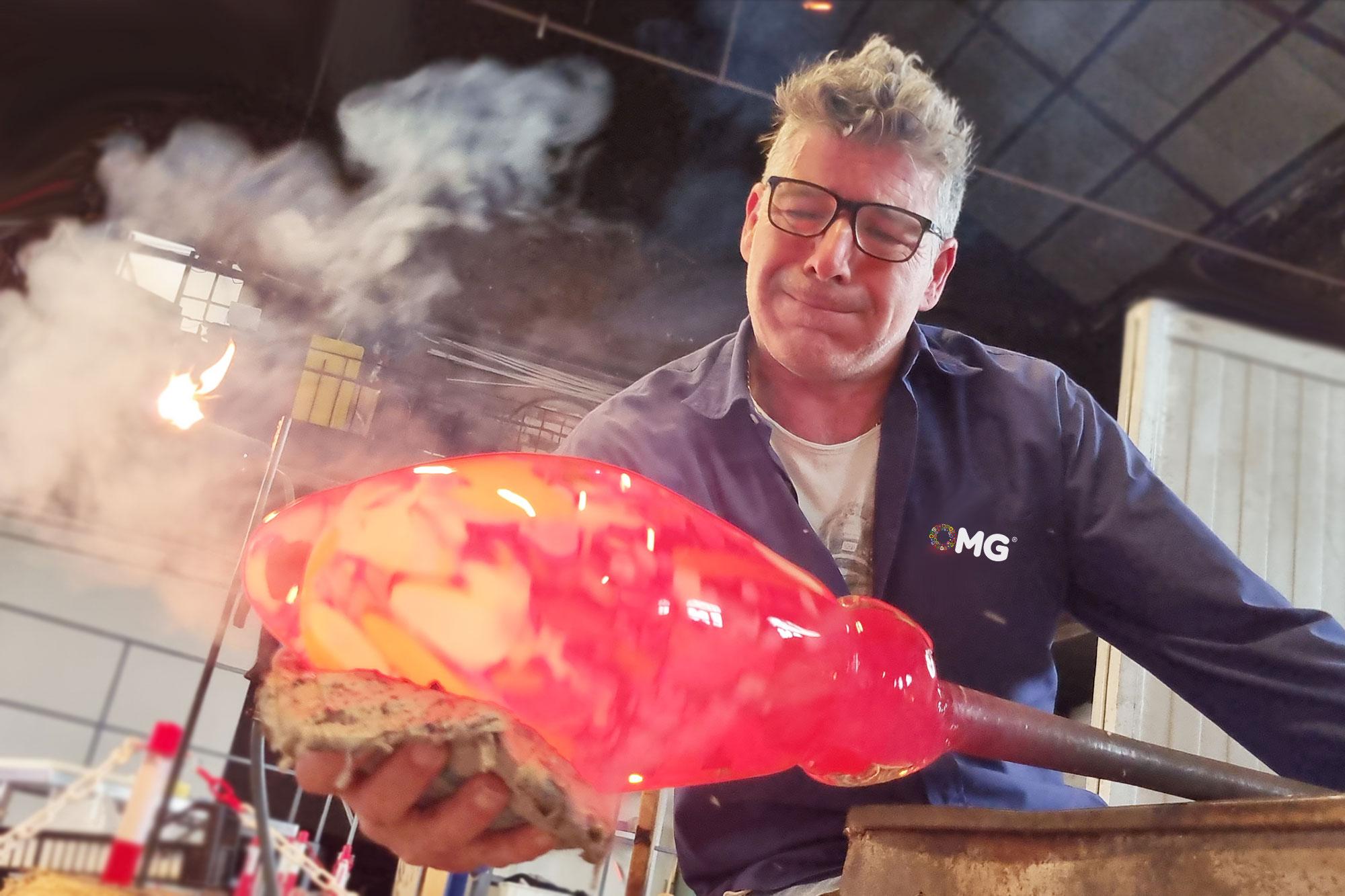
The central hub where masters shape molten glass at 1,000 degrees Celsius.
The factory workshop is ideal for those seeking focused mastery of the craft, whereas island cruises offer a broad Venetian landscape experience; most visitors find the workshop provides a more immersive look at the furnace. Securing your murano glass blowing factory tour tickets online is recommended for a streamlined arrival.
| Feature | Top pick Glass Workshop Tour | Murano & Burano Cruise |
|---|---|---|
Primary Focus |
Glassmaking craftsmanship | Panoramic island sightseeing |
Time Investment |
1 hour | 4–6 hours |
Depth of Glassmaking Insight |
High | Low to none |
Transportation |
Walking to local factory | Private boat excursion |
Flexibility |
High self-guided schedule | Fixed departure times |
Accessibility |
Central workshop location | Requires lagoon navigation |
| See tickets → |
Verdict: Choose the workshop if you prioritize technical artisan detail, or select a boat tour to explore the wider lagoon landmarks via these murano glass blowing factory tour tours, keeping in mind that the glass blowing factory tour tour requires less overall planning.
Choose your ticket, select your date, and reserve in under two minutes. Secure checkout handled by our verified partner.
Instant confirmation by email, with a mobile voucher you can save offline. No printing, no queuing at a collection desk.
Arrive at the entrance, show your voucher on your phone, and walk in. Most tickets include priority or skip-the-line access.
Practical details for your visit straight from our verified partners — hours, access, rules, and how to get there.
Fondamenta S. Giovanni dei Battuti, 4b/5
Meet at the main blue door
Take Vaporetto Line 4.1 or 4.2 to Murano Faro stop. It is a 5-minute walk to the factory entrance.
Casual and comfortable attire is recommended during your murano glass blowing factory tour. Closed-toe shoes are advised when observing the furnace area for safety.
Large backpacks and bulky luggage are prohibited inside the workshop to ensure ease of movement. Security may inspect bags upon entry to this glass artwork workshop.
Non-commercial photography is permitted during the glass blowing demonstration. Please be respectful of the artisans and avoid using flash during your visit.
The demonstration area is accessible to visitors with limited mobility. Please contact the factory in advance if you require specific assistance for your glass blowing tour.
Mobile phones are permitted for capturing photos of the glass art. Please silence your devices during the master glassblower's commentary.
Children are welcome to observe the molten glass techniques, provided they remain under adult supervision. This glass artwork workshop is educational for all ages.
Consumption of food and beverages is not permitted within the factory floor. There are several cafes along the Fondamenta S. Giovanni dei Battuti.
Animals are not permitted inside the factory. Service dogs with proper documentation are the only exception.
The temperature near the kilns can be high during summer months. Stay hydrated before starting your murano glass blowing factory tour.
Best time to go, insider tips, nearby landmarks, and the cancellation fine print — flip through to skim what matters to you.
How crowds, weather, and events shift across the year.
Mild temperatures make for a pleasant experience. Mid-week mornings offer the best flow for a murano glass blowing factory tour.
Small details that turn a good visit into a great one.
Arrive at 09:30 when the factory opens to experience the demonstration with fewer guests.
Non-bookable sights within a short walk — free to visit, easy to pair.
Famous for its 12th-century Byzantine mosaics and floor.
Exhibits the history of local glass production.
Flexible, no hidden fees.
Full refunds are provided for cancellations made at least 24 hours in advance of your murano glass blowing factory tour. Please note that the entrance fee of 5 EUR is non-refundable for no-shows.
Hand-picked options within walking distance — pick a district for vibe, or a specific hotel for convenience.
Selection of boutique guesthouses and hotels.
In 1291, the Venetian Republic ordered every glass furnace moved off the main islands to Murano — officially to spare the city from fire, in practice to lock a trade secret behind a lagoon. The decree worked. For three centuries the maestri of Murano held a near-monopoly on clear glass, and the Republic guarded them accordingly. Glassmakers were granted privileges no other artisan class enjoyed: their daughters could marry patricians, and their names entered the Libro d'Oro. Leaving the lagoon with the formulas was treated as treason. Out of that closed system came cristallo, the colourless glass perfected by Angelo Barovier in the fifteenth century, along with lattimo, aventurine, and the filigree canes still twisted by hand in workshops along the Fondamenta S. Giovanni dei Battuti. A murano glass blowing factory tour today follows that same short walk from the vaporetto stop to the furnace door. What survives on the island is less a museum than a working district. The furnaces run at roughly 1,000 degrees Celsius and are rarely allowed to cool, since restarting one is slow and costly. The tools have barely changed: the borselle for shaping, the pontello for holding the piece, the blowpipe itself, unchanged in form since Roman Syria. Each fornace di vetro a Murano keeps its own recipes for colour, which is why the blue of one workshop never quite matches the blue of another. Murano glassblowing demonstrations are consequently not staged reconstructions but abbreviated versions of ordinary production, compressed into a few minutes so a visitor can follow the whole arc from gather to annealing oven. The island itself repays attention. Santi Maria e Donato, consecrated in the twelfth century, holds a Byzantine mosaic floor of porphyry and glass tesserae — the earliest local evidence that Murano was already working in colour before it was working in secret. The Museo del Vetro, housed in the Palazzo Giustinian, traces the technical lineage from Roman fragments to Ercole Barovier's mid-century pieces. Between them run the canals lined with low brick workshops and chimneys, a Venetian lagoon landmark shaped by industry rather than by ceremony. Decline came, as it usually does, from imitation. Bohemian and English lead crystal undercut Murano in the eighteenth century, and Napoleon's suppression of the guilds in 1806 finished the old order. Revival began in the 1850s under Antonio Salviati. The murano glass blowing factory tour tours running today are the descendants of that revival: an industry that survived by letting outsiders watch what it once killed to protect.
"An industry that survived by letting outsiders watch what it once killed to protect."
A step-by-step walkthrough of the visit — what you'll see, how long each stage takes, and the details that matter.
You step off the vaporetto at Murano and follow the canal to Fondamenta S. Giovanni dei Battuti, 4b/5, where the heat reaches you before the doorway does. Entry to the guided factory tour and demonstration is 5 EUR per person. The doors open at 09:30, and arriving in that first window — or after the midday crowds thin — gives you a clear line of sight to the bench. Inside, you stand behind a low rail while the maestro opens the furnace. You watch him gather a glowing mass on the blowpipe, roll it on the marver, and blow the first bubble. In under four minutes a horse takes shape: legs pulled with shears, mane snipped in three quick cuts, the whole thing set into the annealing oven to cool overnight. Your guide explains the colour bars stacked against the wall and why the assistant never stops turning the rod. Afterwards you move through the adjoining showroom, where chandeliers, murrine, and filigree stemware carry their maker's mark. Some visits on a murano glass blowing factory tour include a small artisan piece to take with you. You leave by the same fondamenta, and the last demonstrations of the day begin around 16:00.
The factory is open daily from 09:30–16:30. You can reach out via their official site to confirm schedule updates.
Yes, the entrance fee is 5 EUR per person for the guided tour and demonstration.
Yes, visit the official site to purchase your murano glass blowing factory tour tickets.
To avoid crowds, arrive early at 09:30 or during the mid-afternoon before the last demonstration at 16:00.
Yes, children are encouraged to attend this educational glass artwork workshop with their families.
Yes, you may take photos for personal use during your murano glass blowing factory tour, but please avoid flash.
Take the vaporetto to the Murano Faro stop; the factory is located at Fondamenta S. Giovanni dei Battuti, 4b/5.
Yes, the main areas of the factory are accessible to visitors with limited mobility.
No, there is no luggage storage available on-site, so please travel light for your murano glass blowing factory tour.